DAB JET Pumps
DAB JET 62M 230v



- Established 1975
- Trusted by thousands of customers
DAB Jet 62 M self-priming pump, 220-240 V single-phase
Self-priming centrifugal pumps, designed for pressurization, gardening and irrigation activities and underground extraction (also from wells) and rainwater reuse in residential building service and for irrigation activities in agriculture with Jet 200, Jet 300, Jet 151 and Jet 251 models.
More about this product
Overview
Self-priming centrifugal pumps, designed for pressurization, gardening and irrigation activities and underground extraction (also from wells) and rainwater reuse in residential building service and for irrigation activities in agriculture with Jet 200, Jet 300, Jet 151 and Jet 251 models. The pumps work without problems even if there are small sandy impurities or air bubbles in water. The pump body is in cast iron for the Jet, in stainless steel for the JetInox or in technopolymer for the JetCom. All the models are able to increase the pressure of the water withdrawn as well as from wells also from tanks or cisterns to be used for example to water vegetable gardens and gardens for free (without using the water of the aqueduct). Air-cooled motor. Built-in motor circuit breaker (single-phase version). Power cord not included.
Specification
| Model | DAB Jet 62 M |
|---|---|
| Supply | 220-240 V single-phase, 50 Hz |
| Rated power P2 | 0.44 kW (0.6 HP) |
| Max. power input P1 | 0.72 kW |
| Current In | 3.12 A |
| Capacitor | 12.5 µF / 450 V |
| Max. operating pressure | 8 bar |
Jet range
| Flow rate | From 7 to 175 l/min |
|---|---|
| Head | 62 meters |
| Liquid temperature | From 0°C to +35°C |
| Room temperature | +40°C |
| Protection class | IP 44 |
Applications
- Water pressure booster
- Ground water
- Rainwater harvesting
-
Data Sheet PDFDownload
-
Data sheet 2 PDFDownload
-
Data Sheet 3 PDFDownload
Standard delivery:
Standard delivery is free on most orders. Some items may incur a delivery charge depending on weight, size or value. Any applicable charge will be displayed at checkout.
Deliveries will typically be made between 7am and 6pm, Monday to Friday (excluding public holidays).
Next day delivery:
Next working day delivery is available for a £16.50 + VAT delivery charge.
Orders must be placed before 12 noon to qualify for next working day delivery. Orders placed after 12 noon on Thursday but before noon on Friday will be delivered the following Monday. Orders placed after 12 noon on Friday will be delivered on Tuesday.
Pallet/Large/Difficult items:
Some large, heavy or difficult to transport items may incur an additional delivery charge. Please contact us for a delivery quote before ordering.
You may also need

DAB Jet 13A 3m cable 3 Pin UK Plug fitted to PumpThis fully moulded three pin UK plug features a 1.5mm cable of 3m, which…



Clarke SPE 1″ suction connection pack includes – FVF10 strainer, 1″ pump connector and hose clip pack

DAB Jet 1″ Inlet FilterThe DAB 1″ inlet filter is an optional pump filter and cartridge for use with the various DAB surfaced mounted water…
Related products

The DAB Aquajet Automatic Self Priming Pressure Pump Unit is ideal for domestic civil, agricultural and industrial use. This unit has a cast iron JET…
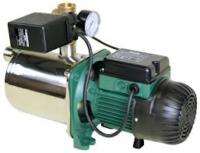
DAB Euroinox MP stainless steel centrifugal water pump particularly suitable for water supply in domestic installations smallscale agriculture gardening or pressure boosting..
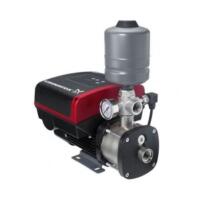

The Grundfos CMBE is a compact variable-speed booster set for constant water pressure in homes and light commercial buildings. Each set combines the pump, frequency…

Grundfos JP5 230v male Grundfos JP5 Pumps suits a number of domestic or commercial water supply jobs. Close-coupled centrifugal pumps with built-in ejector system designed…
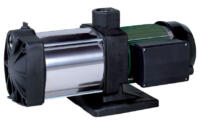
DAB multi-stage self-priming centrifugal water pump with excellent suction capacity even when there are air bubbles. Particularly suitable for water supply in domestic installations smallscale…

DAB Self-priming centrifugal water pump with excellent suction capacity even when there are air bubbles. Particularly suitable for water supply in domestic installations smallscale agriculture…
Frequently Asked Questions
Quick answers to common questions about the DAB JET 62M 230v. For technical specifications, see the product details above; for sizing or installation advice, contact our team. If you have any other questions, we're happy to help.
What is a water booster pump?
A water booster pump increases the pressure of an existing water supply to give stronger flow at taps, showers and appliances. It can be a small inline pump fitted to the incoming mains, or a larger pump and tank set that draws from a break tank to feed the whole house. Boosters do not create water – they raise the pressure of the water already coming in.
What is the difference between an inline booster and a tank-and-pump booster?
An inline booster connects straight onto the incoming mains and is limited to 12 litres per minute under UK water regulations – examples include the Salamander HomeBoost and WaterBoost WB-Compact. A tank-and-pump booster, such as the Grundfos Home Booster or DAB Esybox with Esytank, draws from a break tank and can deliver much higher flow rates for larger homes with multiple bathrooms.
What is a variable speed booster pump?
A variable speed booster uses an inverter to adjust pump speed in real time to match demand. It maintains constant pressure as outlets open and close, runs more quietly than a fixed-speed pump and typically saves up to 50 per cent of the energy a fixed-speed equivalent would use. The DAB Esybox, DAB Esybox Mini 3 and Grundfos Scala2 are common variable speed examples.
What are centrifugal pumps used for?
Centrifugal pumps use a rotating impeller to move liquids and are commonly used for water transfer, circulation and industrial processes.
How do I choose a centrifugal pump?
Compare the required flow rate, total head, liquid characteristics and electrical supply with each pump’s performance curve.
Are centrifugal pumps suitable for dirty water?
Some are designed for clean water only, while others handle solids or wastewater. Check the particular pump’s permitted liquid and solids specification.
What is a well water pump used for?
A well pump transfers water from a well or similar source for uses such as irrigation and private water supply.
What affects the choice of well pump?
Well depth, water level, required flow, delivery head, water quality and available power all affect pump selection.
Can well water be used as drinking water?
Potentially, but a private supply should be tested and appropriately treated before drinking; suitability depends on water quality and local requirements.
What does a water booster pump do?
A water booster pump raises water pressure to help supply taps, showers and other outlets when the existing system cannot meet demand.
Can a booster pump connect directly to the water mains?
Not every booster can. Direct connection depends on the product design and applicable water regulations; some systems require a break tank.
How do I size a water booster pump?
Assess simultaneous flow demand, required outlet pressure, available inlet conditions and the pressure losses in the pipework.