Lowara CEA(M) Series
Lowara CEA(M) Series
26 models in the Lowara CEA(M) Series.

25 products
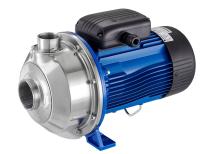

The Lowara CEA 70/3-V/A 400v (107330130XAA) is a close-coupled, single-impeller centrifugal pump in AISI 304 stainless steel with a 0.37 kW 400V three phase motor.…
The Lowara CEA 70/5-V/A 400v (107330140XAA) is a close-coupled, single-impeller centrifugal pump in AISI 304 stainless steel with a 0.55 kW 400V three phase motor.…
The Lowara CEA 80/5 D-V 400v (104480020XAA) is a close-coupled, single-impeller centrifugal pump in AISI 304 stainless steel with a 0.75 kW 400V three phase…
The Lowara CEA 120/3-V/A 400v (107330160XAA) is a close-coupled, single-impeller centrifugal pump in AISI 304 stainless steel with a 0.55 kW 400V three phase motor.…
The Lowara CEA 120/5 D-V 400v (104480040XAA) is a close-coupled, single-impeller centrifugal pump in AISI 304 stainless steel with a 1.1 kW 400V three phase…
The Lowara CEA 210/2/D-V 400v (104480050XAA) is a close-coupled, single-impeller centrifugal pump in AISI 304 stainless steel with a 0.75 kW 400V three phase motor…
The Lowara CEA 210/3/D-V 400v (104480060XAA) is a close-coupled, single-impeller centrifugal pump in AISI 304 stainless steel with a 1.1 kW 400V three phase motor…
The Lowara CEA 210/4/D-V 400v (104480070XAA) is a close-coupled, single-impeller centrifugal pump in AISI 304 stainless steel with a 1.5 kW 400V three phase motor…
The Lowara CEA 210/5/D-V 400v (104480080XAA) is a close-coupled, single-impeller centrifugal pump in AISI 304 stainless steel with a 2.2 kW 400V three phase motor…
The Lowara CEA 370/1D-V 400v (104480090XAA) is a close-coupled, single-impeller centrifugal pump in AISI 304 stainless steel with a 1.1 kW 400V three phase motor…
The Lowara CEA 370/2/D-V 400v (104480100XAA) is a close-coupled, single-impeller centrifugal pump in AISI 304 stainless steel with a 1.5 kW 400V three phase motor…
The Lowara CEA 370/3/D-V 400v (104480110XAA) is a close-coupled, single-impeller centrifugal pump in AISI 304 stainless steel with a 2.2 kW 400V three phase motor…
The Lowara CEA 370/5/D-V 400v (104480120XAA) is a close-coupled, single-impeller centrifugal pump in AISI 304 stainless steel with a 3 kW 400V three phase motor…
The Lowara CEAM 70/3-V/A 230v (107330000XAA) is a close-coupled, single-impeller centrifugal pump in AISI 304 stainless steel with a 0.37 kW 230V single phase motor.…
The Lowara CEAM 70/5-V/A 230v (107330010XAA) is a close-coupled, single-impeller centrifugal pump in AISI 304 stainless steel with a 0.55 kW 230V single phase motor.…
The Lowara CEAM 80/5-V/A 230v (107330020XAA) is a close-coupled, single-impeller centrifugal pump in AISI 304 stainless steel with a 0.75 kW 230V single phase motor.…
The Lowara CEAM 120/3-V/A 230v (107330030XAA) is a close-coupled, single-impeller centrifugal pump in AISI 304 stainless steel with a 0.55 kW 230V single phase motor.…
The Lowara CEAM 120/5-V/A 230v (107330040XAA) is a close-coupled, single-impeller centrifugal pump in AISI 304 stainless steel with a 0.9 kW 230V single phase motor.…
The Lowara CEAM 210/2/-V/A 230v (107330050XAA) is a close-coupled, single-impeller centrifugal pump in AISI 304 stainless steel with a 0.75 kW 230V single phase motor.…
The Lowara CEAM 210/3-V/A 230v (107330060XAA) is a close-coupled, single-impeller centrifugal pump in AISI 304 stainless steel with a 1.1 kW 230V single phase motor.…
The Lowara CEAM 210/4-V/A 230v (107330070XAA) is a close-coupled, single-impeller centrifugal pump in AISI 304 stainless steel with a 1.5 kW 230V single phase motor.…
The Lowara CEAM 210/5-P/V 230v (101800080XAA) is a close-coupled, single-impeller centrifugal pump in AISI 304 stainless steel with a 1.85 kW 230V single phase motor.…
The Lowara CEAM 370/1-V/A 230v (107330090XAA) is a close-coupled, single-impeller centrifugal pump in AISI 304 stainless steel with a 1.1 kW 230V single phase motor.…
The Lowara CEAM 370/2 -V/A 230v (107330100XAA) is a close-coupled, single-impeller centrifugal pump in AISI 304 stainless steel with a 1.5 kW 230V single phase…
The Lowara CEAM 370/3/P-V 230v (101800110XAA) is a close-coupled, single-impeller centrifugal pump in AISI 304 stainless steel with a 1.85 kW 230V single phase motor.…
Frequently Asked Questions
Quick answers to common questions about the Lowara CEA(M) Series. For technical specifications, see the product details above; for sizing or installation advice, contact our team. If you have any other questions, we're happy to help.
What is a water booster pump?
A water booster pump increases the pressure of an existing water supply to give stronger flow at taps, showers and appliances. It can be a small inline pump fitted to the incoming mains, or a larger pump and tank set that draws from a break tank to feed the whole house. Boosters do not create water – they raise the pressure of the water already coming in.
What is the difference between an inline booster and a tank-and-pump booster?
An inline booster connects straight onto the incoming mains and is limited to 12 litres per minute under UK water regulations – examples include the Salamander HomeBoost and WaterBoost WB-Compact. A tank-and-pump booster, such as the Grundfos Home Booster or DAB Esybox with Esytank, draws from a break tank and can deliver much higher flow rates for larger homes with multiple bathrooms.
What is a variable speed booster pump?
A variable speed booster uses an inverter to adjust pump speed in real time to match demand. It maintains constant pressure as outlets open and close, runs more quietly than a fixed-speed pump and typically saves up to 50 per cent of the energy a fixed-speed equivalent would use. The DAB Esybox, DAB Esybox Mini 3 and Grundfos Scala2 are common variable speed examples.
What does a water booster pump do?
A water booster pump raises water pressure to help supply taps, showers and other outlets when the existing system cannot meet demand.
Can a booster pump connect directly to the water mains?
Not every booster can. Direct connection depends on the product design and applicable water regulations; some systems require a break tank.
How do I size a water booster pump?
Assess simultaneous flow demand, required outlet pressure, available inlet conditions and the pressure losses in the pipework.