Flygt Monitoring Relays
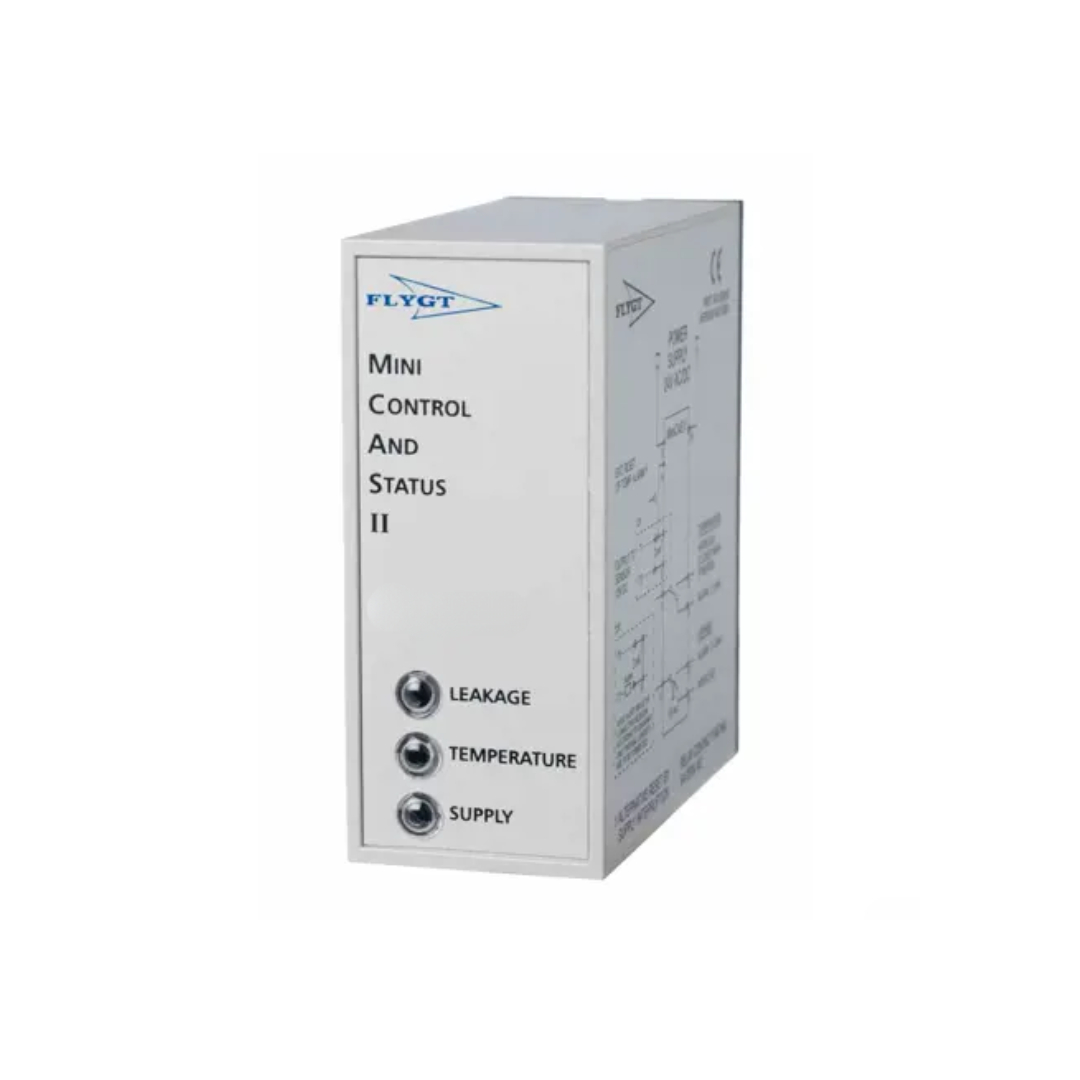
Flygt MiniCAS II 120V AC 40-501098

- Established 1975
- Trusted by thousands of customers
MiniCAS II is a monitoring relay used primarily with small and medium pumps and mixers. It provides protection for the most common threats against a submersible pump: high temperature and leakage. In case of alarm, the pump is stopped or an alert is given by means of lamps and relays.
PUMP SENSORS MONITORED BY MiniCAS II
The following monitoring is possible with MiniCAS II
- Thermal switches to detect overheating in the stator windings
- FLS leakage sensor in the stator housing or junction box
- FLS10 leakage sensor in the inspection chamber
- CLS, water in oil sensor in the oil housing
More about this product
Standard delivery:
Standard delivery is free on most orders. Some items may incur a delivery charge depending on weight, size or value. Any applicable charge will be displayed at checkout.
Deliveries will typically be made between 7am and 6pm, Monday to Friday (excluding public holidays).
Next day delivery:
Next working day delivery is available for a £16.50 + VAT delivery charge.
Orders must be placed before 12 noon to qualify for next working day delivery. Orders placed after 12 noon on Thursday but before noon on Friday will be delivered the following Monday. Orders placed after 12 noon on Friday will be delivered on Tuesday.
Pallet/Large/Difficult items:
Some large, heavy or difficult to transport items may incur an additional delivery charge. Please contact us for a delivery quote before ordering.
Related products

The Clarke PSV1A water pump is designed particulary for heavy duty applications. This robust, powerful water pump is ideal for rapidly shifting both clean and…

The KP range of pumps from Grundfos is suitable for both temporary and permanent free-standing installation, as well as installation within a collecting tank. Easy-to-install,…

The DAB Nova submersible pumps are designed for domestic use including basement drainage, cesspit water removal, ponds and fountains. Ideal for water up to 10…
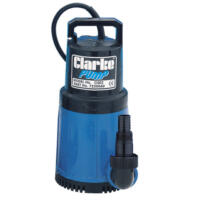
This self-priming submersible pump can be used for continous running and provides top quality general duty for clean water pumping. The strong, durable, double insulated…
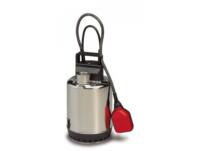

Lowara DOC Pumps Submersible pumps for drainage, infiltration water and emptying of pools, ponds, tanks and reservoirs. The DOC pump is mainly made of stainless…
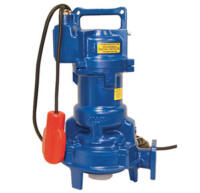

Submersible electric pumps with Grinder used for the lifitng of waters containing filamentous materials, paper or textile materials. In particular for clearance of waste waters…
Frequently Asked Questions
Quick answers to common questions about the Flygt MiniCAS II 120V AC 40-501098. For technical specifications, see the product details above; for sizing or installation advice, contact our team. If you have any other questions, we're happy to help.
What is a submersible pump?
A submersible pump is designed to operate fully submerged in the liquid it is moving. The motor is sealed inside the pump body and cooled by the surrounding water. Submersibles are used for drainage, sewage, septic tanks, deep wells and boreholes, and for raising water from sumps, cellars and floodwater. Many stocked at Anglian Pumping handle solids in suspension.
Can submersible pumps handle solids and sewage?
Yes – some submersibles are designed for clean water only, others handle solids up to 50 mm or full raw sewage. Anglian Pumping stocks ABS, BBC, Flygt and T-T Submersibles ranges that include vortex, single channel and grinder impellers for different solids handling requirements. Always match the pump to the maximum solid size and the type of effluent it will see.
When should I use a submersible pump instead of a surface pump?
Use a submersible when the water level is more than around 8 metres below the pump installation point – surface pumps cannot self-prime beyond that depth. Submersibles are also better when the liquid contains solids, when noise must be minimised, or when the pump needs to operate in confined spaces such as sumps and chambers where a surface pump would not fit.