DAB Evoplus M/L PN16 Twin Electric Circulators SPECIAL VERSION (Without Unions)
DAB Evoplus M/L PN16 Twin Electric Circulators SPECIAL VERSION (Without Unions)
10 models in the DAB Evoplus M/L PN16 Twin Electric Circulators SPECIAL VERSION (Without Unions) range.

10 products
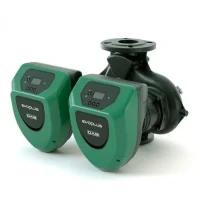
DAB Evoplus D 40/360.80 M PN16 twin electronic circulator, 230 V single-phaseWet rotor electronic circulator designed for the circulation of water in conditioning and heating…
DAB Evoplus D 60/360.80 M PN16 twin electronic circulator, 230 V single-phaseWet rotor electronic circulator designed for the circulation of water in conditioning and heating…
DAB Evoplus D 80/360.80 M PN16 twin electronic circulator, 230 V single-phaseWet rotor electronic circulator designed for the circulation of water in conditioning and heating…
DAB Evoplus D 100/360.80 M PN16 twin electronic circulator, 230 V single-phaseWet rotor electronic circulator designed for the circulation of water in conditioning and heating…
DAB Evoplus D 120/360.80 M PN16 twin electronic circulator, 230 V single-phaseWet rotor electronic circulator designed for the circulation of water in conditioning and heating…
DAB Evoplus D 40/450.100 M PN16 twin electronic circulator, 230 V single-phaseWet rotor electronic circulator designed for the circulation of water in conditioning and heating…
DAB Evoplus D 60/450.100 M PN16 twin electronic circulator, 230 V single-phaseWet rotor electronic circulator designed for the circulation of water in conditioning and heating…
DAB Evoplus D 80/450.100 M PN16 twin electronic circulator, 230 V single-phaseWet rotor electronic circulator designed for the circulation of water in conditioning and heating…
DAB Evoplus D 100/450.100 M PN16 twin electronic circulator, 230 V single-phaseWet rotor electronic circulator designed for the circulation of water in conditioning and heating…
DAB Evoplus D 120/450.100 M PN16 twin electronic circulator, 230 V single-phaseWet rotor electronic circulator designed for the circulation of water in conditioning and heating…
Frequently Asked Questions
Quick answers to common questions about the DAB Evoplus M/L PN16 Twin Electric Circulators SPECIAL VERSION (Without Unions). For technical specifications, see the product details above; for sizing or installation advice, contact our team. If you have any other questions, we're happy to help.
What is a water booster pump?
A water booster pump increases the pressure of an existing water supply to give stronger flow at taps, showers and appliances. It can be a small inline pump fitted to the incoming mains, or a larger pump and tank set that draws from a break tank to feed the whole house. Boosters do not create water – they raise the pressure of the water already coming in.
What is the difference between an inline booster and a tank-and-pump booster?
An inline booster connects straight onto the incoming mains and is limited to 12 litres per minute under UK water regulations – examples include the Salamander HomeBoost and WaterBoost WB-Compact. A tank-and-pump booster, such as the Grundfos Home Booster or DAB Esybox with Esytank, draws from a break tank and can deliver much higher flow rates for larger homes with multiple bathrooms.
What is a variable speed booster pump?
A variable speed booster uses an inverter to adjust pump speed in real time to match demand. It maintains constant pressure as outlets open and close, runs more quietly than a fixed-speed pump and typically saves up to 50 per cent of the energy a fixed-speed equivalent would use. The DAB Esybox, DAB Esybox Mini 3 and Grundfos Scala2 are common variable speed examples.
What does a water booster pump do?
A water booster pump raises water pressure to help supply taps, showers and other outlets when the existing system cannot meet demand.
Can a booster pump connect directly to the water mains?
Not every booster can. Direct connection depends on the product design and applicable water regulations; some systems require a break tank.
How do I size a water booster pump?
Assess simultaneous flow demand, required outlet pressure, available inlet conditions and the pressure losses in the pipework.