Clarke Hippo Pumps
Clarke Hippo Pumps
4 models in the Clarke Hippo Pumps.

4 products
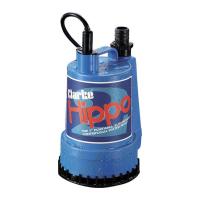
Clarke Hippo 2 110v 7230023For domestics purposes, this submersible water pump is perfect for clearing flooded cellars, trenches, swmming pools etc.85 l/minMax. flow6 mMax. head250…
Clarke Hippo 2 230v 7230025For domestics purposes, this submersible water pump is perfect for clearing flooded cellars, trenches, swmming pools etc.85 l/minMax. flow6 mMax. head250…
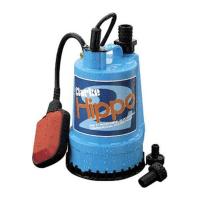
Clarke Hippo 2A 230v auto 7230024For domestics purposes, this submersible water pump is perfect for clearing flooded cellars, trenches, swmming pools etc.85 l/minMax. flow6 mMax.…
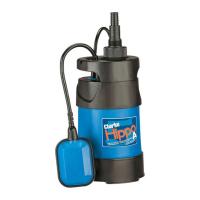
Clarke Hippo 5A 230v 7230536The Hippo 5A is high power (750w) efficient submersible water pump with float switch.Benefiting from a large 208 litres/min ouput and…
Frequently Asked Questions
Quick answers to common questions about the Clarke Hippo Pumps. For technical specifications, see the product details above; for sizing or installation advice, contact our team. If you have any other questions, we're happy to help.
What is a submersible pump?
A submersible pump is designed to operate fully submerged in the liquid it is moving. The motor is sealed inside the pump body and cooled by the surrounding water. Submersibles are used for drainage, sewage, septic tanks, deep wells and boreholes, and for raising water from sumps, cellars and floodwater. Many stocked at Anglian Pumping handle solids in suspension.
Can submersible pumps handle solids and sewage?
Yes – some submersibles are designed for clean water only, others handle solids up to 50 mm or full raw sewage. Anglian Pumping stocks ABS, BBC, Flygt and T-T Submersibles ranges that include vortex, single channel and grinder impellers for different solids handling requirements. Always match the pump to the maximum solid size and the type of effluent it will see.
When should I use a submersible pump instead of a surface pump?
Use a submersible when the water level is more than around 8 metres below the pump installation point – surface pumps cannot self-prime beyond that depth. Submersibles are also better when the liquid contains solids, when noise must be minimised, or when the pump needs to operate in confined spaces such as sumps and chambers where a surface pump would not fit.