Lowara SMB20 ‘F’ Two Pump Variable Speed Booster Set 400v
Lowara SMB20/A/22SVE02F022/T4/UK booster set 1003101183


- Established 1975
- Trusted by thousands of customers
The Lowara SMB20/A/22SVE02F022/T4/UK (1003101183) is a twin-pump variable-speed booster set from the Lowara SMB range, built with two 22SVE02F022 Lowara e-SV Smart (e-SVE) vertical multistage pumps, each with a 2.2 kW high-efficiency permanent-magnet motor and integrated e-SM drive, for a 3 × 400 V three-phase supply. It delivers up to 45.2 m of head and flows up to 60 m³/h (1000 l/min) with all pumps running.
Each pump has its own e-SM drive, and the two pumps share the load, starting and stopping in cascade to hold a constant set pressure as demand changes. Supplied assembled on a base with ball valves and non-return valves on each pump, suction and delivery manifolds, pressure gauge and transmitters, and an IP55 control panel with dry-running protection.
More about this product
The Lowara SMB20/A/22SVE02F022/T4/UK (1003101183) is a twin-pump variable-speed booster set from the Lowara SMB range, built with two 22SVE02F022 Lowara e-SV Smart (e-SVE) vertical multistage pumps, each with a 2.2 kW high-efficiency permanent-magnet motor and integrated e-SM drive, for a 3 × 400 V three-phase supply. It delivers up to 45.2 m of head and flows up to 60 m³/h (1000 l/min) with all pumps running.
Each pump has its own e-SM drive, and the two pumps share the load, starting and stopping in cascade to hold a constant set pressure as demand changes. Supplied assembled on a base with ball valves and non-return valves on each pump, suction and delivery manifolds, pressure gauge and transmitters, and an IP55 control panel with dry-running protection.
Key specifications
| Model | Lowara SMB20/A/22SVE02F022/T4/UK |
| Lowara part no. | 1003101183 |
| Type | Twin pump variable-speed booster set with e-SM drive |
| Pumps | 2 × 22SVE02F022 — Lowara e-SV Smart (e-SVE) vertical multistage pump |
| Pump construction | AISI 304 stainless steel, round flanges with in-line suction and delivery ports |
| Motor | 2 × 2.2 kW |
| Motor type | High-efficiency permanent-magnet motor with integrated e-SM frequency converter, IP55 |
| Power supply | 3 × 400 V three-phase, 50 Hz |
| Max. head (zero flow) | 45.2 m |
| Max. flow | 1000 l/min (60 m³/h) at 13.6 m head with all pumps running |
| Max. operating pressure | 16 bar |
| Pumped liquid | Clean water without gases or corrosive/aggressive substances |
| Liquid temperature | +5 to +60°C |
| Ambient temperature | 0 to +40°C |
| Noise level | Below 70 dB(A) |
| Supplied with | Ball valves and spring-type non-return valve on each pump, suction and delivery manifolds with threaded ends, pressure gauge and transmitters, support base |
| Control panel | IP55, with thermal-magnetic protection for each drive, dry-running protection input and fault contact for each drive |
Features
Built for
FAQs
-
smart pump PDFDownload
-
data sheet PDFDownload
-
Tech Data PDFDownload
Standard delivery:
Standard delivery is free on most orders. Some items may incur a delivery charge depending on weight, size or value. Any applicable charge will be displayed at checkout.
Deliveries will typically be made between 7am and 6pm, Monday to Friday (excluding public holidays).
Next day delivery:
Next working day delivery is available for a £16.50 + VAT delivery charge.
Orders must be placed before 12 noon to qualify for next working day delivery. Orders placed after 12 noon on Thursday but before noon on Friday will be delivered the following Monday. Orders placed after 12 noon on Friday will be delivered on Tuesday.
Pallet/Large/Difficult items:
Some large, heavy or difficult to transport items may incur an additional delivery charge. Please contact us for a delivery quote before ordering.
Related products


Grundfos JP5 230v male Grundfos JP5 Pumps suits a number of domestic or commercial water supply jobs. Close-coupled centrifugal pumps with built-in ejector system designed…
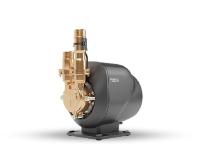

Designed to address the increasing challenge of low mains water pressure, the newly extended STORMBOOST lineup is fully WRAS Approved and now includes six innovative models: STORMBOOST 60, 80,…
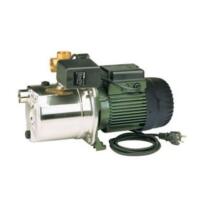

DAB Self-priming centrifugal water pump with excellent suction capacity even when there are air bubbles. Particularly suitable for water supply in domestic installations smallscale agriculture…
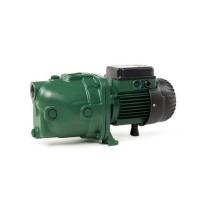
For a self-priming pump suited to domestic applications, look no further than the DAB JET Pump collection. With impressive suction capacity even when interacting with…
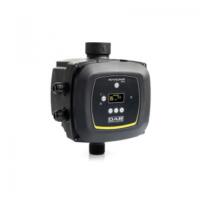
DAB Active Driver Plus are inverters used for the control of hydraulic pumps.Fields of application are domestic, industrial and agricultural constant pressure pressure pumping systems.…

DAB single variable speed booster pump sets specifically suitable for domestic applications and small systems for civil, agricultural or industrial uses.
Frequently Asked Questions
Quick answers to common questions about the Lowara SMB20/A/22SVE02F022/T4/UK booster set 1003101183. For technical specifications, see the product details above; for sizing or installation advice, contact our team. If you have any other questions, we're happy to help.
What is a water booster pump?
A water booster pump increases the pressure of an existing water supply to give stronger flow at taps, showers and appliances. It can be a small inline pump fitted to the incoming mains, or a larger pump and tank set that draws from a break tank to feed the whole house. Boosters do not create water – they raise the pressure of the water already coming in.
What is the difference between an inline booster and a tank-and-pump booster?
An inline booster connects straight onto the incoming mains and is limited to 12 litres per minute under UK water regulations – examples include the Salamander HomeBoost and WaterBoost WB-Compact. A tank-and-pump booster, such as the Grundfos Home Booster or DAB Esybox with Esytank, draws from a break tank and can deliver much higher flow rates for larger homes with multiple bathrooms.
What is a variable speed booster pump?
A variable speed booster uses an inverter to adjust pump speed in real time to match demand. It maintains constant pressure as outlets open and close, runs more quietly than a fixed-speed pump and typically saves up to 50 per cent of the energy a fixed-speed equivalent would use. The DAB Esybox, DAB Esybox Mini 3 and Grundfos Scala2 are common variable speed examples.
What are centrifugal pumps used for?
Centrifugal pumps use a rotating impeller to move liquids and are commonly used for water transfer, circulation and industrial processes.
How do I choose a centrifugal pump?
Compare the required flow rate, total head, liquid characteristics and electrical supply with each pump’s performance curve.
Are centrifugal pumps suitable for dirty water?
Some are designed for clean water only, while others handle solids or wastewater. Check the particular pump’s permitted liquid and solids specification.
What does a water booster pump do?
A water booster pump raises water pressure to help supply taps, showers and other outlets when the existing system cannot meet demand.
Can a booster pump connect directly to the water mains?
Not every booster can. Direct connection depends on the product design and applicable water regulations; some systems require a break tank.
How do I size a water booster pump?
Assess simultaneous flow demand, required outlet pressure, available inlet conditions and the pressure losses in the pipework.